Understanding Watch Straps: Materials, Construction and Design
A watch strap does more than hold a watch securely on the wrist. Its material, construction, thickness and design influence how the watch feels, how it sits against the skin and how well it suits different activities. Although watch straps serve the same basic purpose, their characteristics can vary considerably.
Traditional leather straps, flexible rubber bands, woven nylon designs and modern plant-based alternatives each offer different properties. Even straps made from the same material can differ in flexibility, surface texture, breathability and resistance to everyday wear.
Understanding these differences is useful when replacing an existing strap or exploring alternative styles. It also helps explain why two watch straps of identical width may feel and perform differently.
How Watch Strap Design Has Evolved
Early wristwatches commonly used leather straps, reflecting established methods of leatherworking and the materials available at the time. As wristwatches became more widely used in military, sporting and professional environments, alternative designs emerged to meet different practical requirements.
Woven fabric straps offered lightweight construction and straightforward adjustment, while rubber straps became particularly useful for watches exposed to moisture. Developments in synthetic materials subsequently introduced additional possibilities for flexibility, colour, surface texture and resistance to environmental conditions.
Today, watch straps combine traditional construction methods with modern manufacturing techniques. Some retain the appearance of classic leatherwork, while others prioritise functionality, low maintenance or compatibility with particular watch designs.
Different Watch Strap Materials Explained
The material used in a watch strap affects its appearance, flexibility, durability and suitability for different environments. However, performance also depends on the material's quality, construction and finishing.
Leather Watch Straps
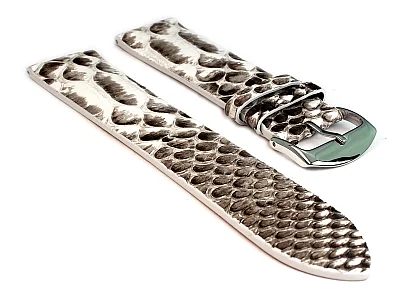
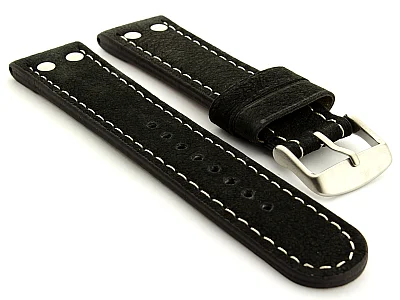
Leather remains a traditional watch strap material because of its appearance, flexibility and wide variety of finishes. Different types of leather can produce noticeably different results, from smooth and understated surfaces to heavily textured or patterned designs.
Calf leather is widely used for watch straps because it can provide a balance of softness, flexibility and strength. Other leathers, including buffalo, ostrich and various exotic hides, offer different textures and surface characteristics.
Leather straps may also differ in their tanning methods, surface coatings and internal construction. Some develop a natural patina through use, while others are finished to maintain a more consistent appearance.
Although leather can be comfortable for everyday wear, prolonged exposure to water, perspiration and excessive moisture may affect its structure and appearance. Its suitability therefore depends partly on how and where the watch is worn.
Nylon and Woven Fabric Watch Straps
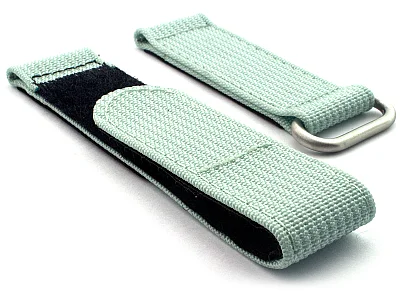
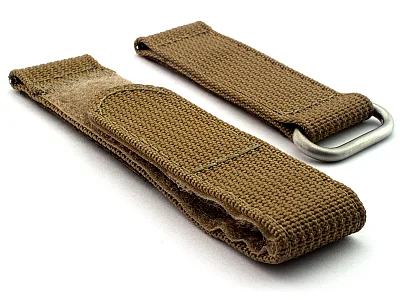
Nylon is a synthetic textile commonly used for lightweight, flexible watch straps. Its woven construction can provide good tensile strength while allowing the strap to conform comfortably to the wrist.
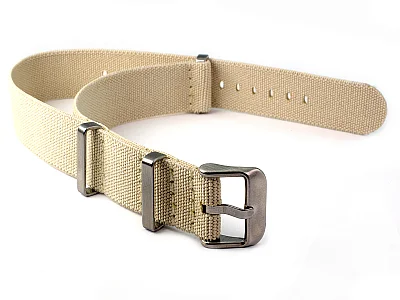
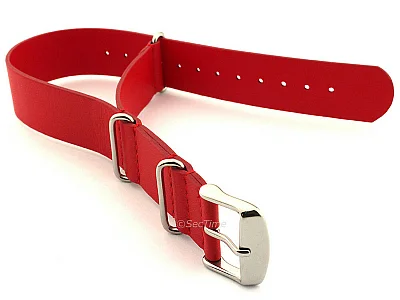
Nylon straps are available in different weave patterns, thicknesses and configurations. Some use a conventional two-piece construction, while others feature a continuous strip of material that passes beneath the watch case.
NATO-style straps are a well-known example of this approach. Their design has historical associations with military watches, although they are now widely used with everyday, sports and casual timepieces.
Nylon generally tolerates occasional moisture better than untreated leather and can often be cleaned relatively easily. However, drying time, resistance to fraying and long-term appearance depend on the weave, finishing and hardware.
Rubber and Silicone Watch Straps
Rubber and silicone are frequently associated with sports and diving watches because they offer flexibility and resistance to water.
Although the terms are sometimes used interchangeably, rubber and silicone are different materials with distinct properties.
Silicone is a synthetic elastomer known for its softness, flexibility and resistance to water. It can provide a comfortable fit, although some formulations may attract dust or lint.
Rubber straps can be produced from natural or synthetic compounds. Their characteristics vary according to the formulation, with differences in elasticity, surface feel, resistance to oils and long-term durability.
FKM rubber, a type of fluoroelastomer, is valued for its resistance to many chemicals, oils and environmental conditions. It is used in some watch straps intended for demanding everyday or outdoor use.
Neither material should automatically be considered superior in every situation. Comfort, flexibility and durability depend on the specific compound, strap design and intended application.
Synthetic and Plant-Based Watch Strap Materials
Modern watch strap manufacturing also uses materials beyond traditional leather, rubber and nylon.
Polyurethane and other synthetic materials can reproduce certain visual characteristics of leather while offering different levels of flexibility, moisture resistance and maintenance requirements.
Plant-derived alternatives include cork and materials incorporating fibres or components obtained from sources such as pineapple leaves and corn.
These alternatives vary significantly in composition. A material described as plant-based may also contain synthetic binders, coatings or backing layers to provide the necessary strength and flexibility.
Consequently, terms such as plant-based, vegan and plastic-free should not be treated as interchangeable. Understanding the composition of a particular strap is important when assessing its properties and environmental characteristics.
Watch Strap Sizes and Measurements
Watch strap sizing involves several measurements that serve different purposes. Understanding the relationship between them helps explain how a strap fits both the watch case and the wearer's wrist.
Lug Width and Watch-End Width
The lug width is the distance between the two attachment points on the watch case, usually measured in millimetres.
For watches with conventional lugs, this measurement determines the required width of the strap where it connects to the case.
Common sizes include 18mm, 20mm and 22mm, although many other widths exist.
The measurement should be taken between the inner surfaces of the lugs rather than across the outside of the watch case.
A strap that is too wide may be difficult to install or may become compressed between the lugs. A strap that is too narrow can leave visible gaps and may not be held securely by the intended fittings.
Strap Length and Wrist Size
Strap length is separate from strap width.
Two-piece watch straps are commonly described using the lengths of their individual sections. For example, a strap marked 120/80mm generally has a 120mm section containing the adjustment holes and an 80mm section carrying the buckle.
These measurements normally refer to the strap sections themselves, excluding the watch case.
The overall fit also depends on the watch's lug-to-lug length, the position of the buckle, the spacing of the adjustment holes and the shape of the wrist.
One-piece straps are measured differently because they use a continuous length of material.
Strap Taper and Buckle Width
Not all watch straps maintain the same width along their entire length.
A tapered strap gradually narrows from the watch case towards the buckle. For example, a strap may measure 20mm at the watch end and 18mm at the buckle end.
Tapering can influence both the appearance and feel of a watch strap. A pronounced taper often creates a more refined visual profile, while a straight strap maintains a consistent width.
Buckle-end width is particularly important when transferring an existing buckle or clasp to a replacement strap.
Watch Strap Construction and Finishing
Two straps made from similar materials can differ substantially in their construction. Internal reinforcement, padding, stitching and edge finishing all influence the finished product.
Flat and Padded Watch Straps
Flat watch straps have a relatively consistent thickness across their main body. They often provide a simple profile and may sit comfortably beneath fitted clothing.
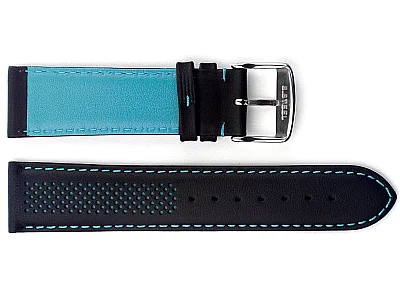
Padded straps contain additional material between their outer surface and lining, creating a raised profile. Padding may be concentrated near the watch case and gradually reduce towards the buckle.
The degree of padding affects the strap's appearance, flexibility and how prominently it meets the watch case.
A thicker strap is not necessarily stronger or more durable than a thinner one. Material selection and construction quality are equally important.
Stitching and Edge Finishing
Stitching can perform both structural and decorative functions.
On some straps, stitching helps secure multiple layers of material. On others, it primarily contributes to the appearance of the finished design.
The placement, thread type and consistency of stitching can influence how well the strap withstands repeated bending and everyday wear.
Leather strap edges may be painted, folded, sealed or otherwise finished to protect exposed layers and improve appearance.
Poorly finished edges can become vulnerable to separation or deterioration, particularly where the strap experiences frequent movement.
Linings and Reinforcement
Many leather watch straps contain several layers rather than a single piece of material.
The outer layer determines much of the strap's visible appearance, while the lining forms the surface in contact with the wrist.
Internal reinforcement may be used to help maintain shape or support areas exposed to repeated tension.
The materials used for these components influence flexibility, comfort and resistance to wear.
Watch Strap Attachment Systems
The method used to connect a strap to a watch is an important part of compatibility. Although many watches use conventional spring bars, alternative attachment systems are also common.
Traditional Spring Bars
A spring bar is a small metal tube containing spring-loaded pins at each end.
When installed between the watch lugs, the pins extend into corresponding holes and hold the strap in position.
Spring bars are widely used because they provide a compact and replaceable attachment system.
Their dimensions must suit the watch and strap. Worn, bent or incorrectly sized spring bars can compromise the security of the connection.
Quick-Release Spring Bars
Quick-release spring bars operate on a similar principle but include a small external lever.
Moving the lever retracts one end of the spring bar, allowing the strap to be removed without a conventional spring-bar tool.
This system is useful for watches whose straps are changed frequently.
However, quick-release fittings still need to match the watch's lug dimensions and provide adequate clearance for the lever.
Fixed Lugs and Alternative Attachments
Some watches have fixed bars between their lugs rather than removable spring bars.
These designs require straps that can be fitted without removing the bar, such as compatible one-piece straps or specially constructed open-ended straps.
Other watches use screws, integrated attachments or proprietary fittings.
In these cases, matching the strap width alone is insufficient. The attachment geometry and fastening system must also be compatible.
Choosing Watch Straps for Different Conditions
Different environments place different demands on a watch strap. Understanding these conditions helps explain why particular materials and constructions are associated with certain types of watches.
Everyday Wear
Comfort, flexibility and resistance to repeated bending are important for everyday use. Leather, nylon, rubber and other materials can all be suitable depending on personal preference and exposure to moisture.
Formal Occasions
Smooth leather, restrained colours and slimmer constructions are traditionally associated with dress watches. However, the appropriate style also depends on the design of the watch itself.
Sports and Outdoor Activities
Flexible materials that tolerate moisture and are relatively easy to clean are often practical. Strap security and resistance to repeated movement are particularly important.
Water Exposure
Rubber, silicone and certain synthetic or woven materials are generally more appropriate than untreated leather. However, a strap's water resistance does not establish the water resistance of the watch itself.
Warm Conditions
Breathability, surface texture and the ability to clean away perspiration may become more important. Perforated designs and some woven materials can help manage comfort, although individual preferences vary.
Watch Strap Care and Maintenance
Regular maintenance can help preserve a watch strap's appearance and identify wear before it affects the security of the watch.
Different materials require different cleaning methods.
Caring for Leather Watch Straps
Leather straps should generally be protected from prolonged moisture exposure and allowed to dry naturally if they become damp. Excessive heat and aggressive cleaning products can damage leather finishes and internal components.
Cleaning Rubber and Silicone Straps
Many rubber and silicone straps can be cleaned using a soft cloth, lukewarm water and mild soap, provided the manufacturer's instructions permit it. Thorough rinsing and drying help prevent residue from remaining against the skin.
Maintaining Nylon Watch Straps
Some nylon straps can also be washed gently, although cleaning methods should account for their hardware, dyes and construction.
Recognising When a Watch Strap Needs Replacing
Regardless of material, straps should be inspected periodically around the attachment points, adjustment holes, buckle and areas that experience frequent bending.
Signs of deterioration may include cracking, fraying, splitting, loose stitching, damaged hardware or excessive stretching.
A strap should be replaced when wear affects its ability to hold the watch securely.
Understanding Watch Strap Compatibility
A replacement watch strap must be compatible with both the watch case and its attachment system.
Lug width is usually the starting point, but it does not provide a complete assessment.
The thickness of the strap near the case, the shape of its ends, the available clearance between the spring bar and case, and the type of attachment can all influence whether it fits correctly.
Some watches have curved or unusually shaped lugs, while others use integrated bracelets or proprietary strap systems.
Even when two watches share the same nominal lug width, they may not accept exactly the same strap designs.
For conventional watches with straight lugs and removable spring bars, compatible straight-ended straps generally offer the greatest flexibility.
Understanding these distinctions helps make watch strap replacement more straightforward and reduces the likelihood of selecting an unsuitable fitting.
The Relationship Between a Watch and Its Strap
The strap is an integral part of a wristwatch's overall design, rather than simply a replaceable accessory.
Its width, thickness, taper, colour and texture influence the perceived proportions of the watch case.
A thick, straight strap may emphasise the robust appearance of a sports watch, while a slimmer, tapered design can complement the proportions of a traditional dress watch.
Surface finishes also affect the relationship between the watch and strap. Smooth leather, textured hides, woven fabrics and moulded rubber each create a different visual character.
There is no universal combination suitable for every watch. The most appropriate choice depends on the watch's construction, intended use and the preferences of its wearer.
Understanding the technical and material characteristics of watch straps makes it easier to appreciate these differences and select a replacement that fits securely, feels comfortable and complements the watch.